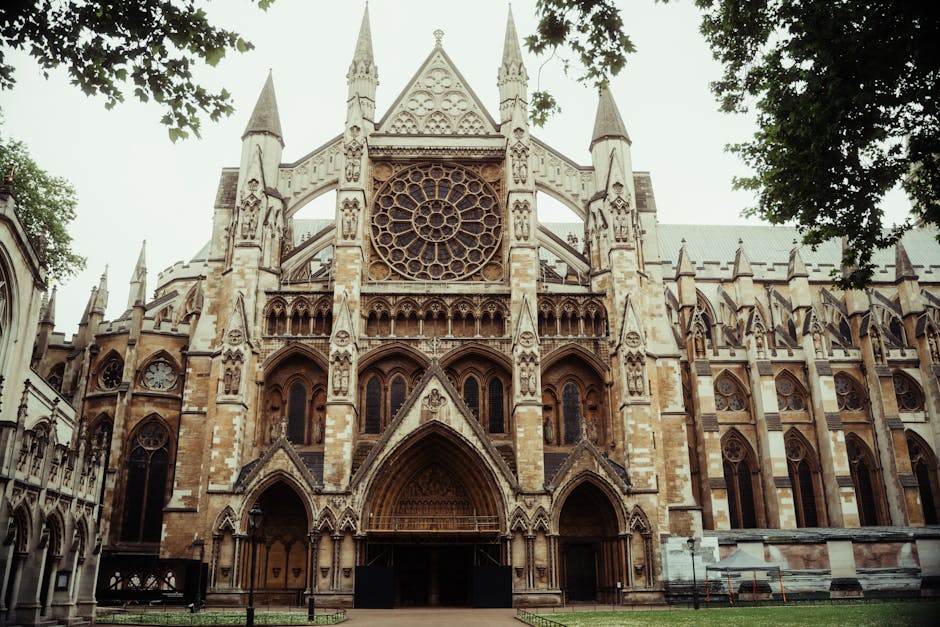
Westminster Abbey area holiday let cleaning checklist

If you manage a holiday let near Westminster Abbey, you already know the stakes feel a little higher than in a quieter postcode. Guests arrive with clear expectations, tighter turnaround windows, and almost no patience for missed dust, streaky glass, or that one suspicious mark in the bathroom. A solid Westminster Abbey area holiday let cleaning checklist helps you stay consistent, protect reviews, and keep the property feeling calm, fresh, and genuinely welcoming.
This guide walks through what the checklist should cover, why it matters in this part of London, how to use it properly, and where hosts often trip up. You will also find a practical step-by-step routine, common mistakes, useful tools, a simple comparison table, and a hands-on checklist you can apply straight away. No fluff. Just the stuff that keeps turnovers smooth.
Why Westminster Abbey area holiday let cleaning checklist Matters
In a Westminster Abbey area holiday let, cleaning is not just about looking tidy. It is part of the guest experience, the property's reputation, and often the difference between a five-star review and a grumble about "minor bits" that, let's face it, are never really minor. Guests in central London often expect hotel-level presentation with the flexibility of a self-catered stay. That means the cleaning standard has to feel deliberate, not improvised.
There is also the local context. Properties near Westminster Abbey, St James's, Victoria, and surrounding central London streets tend to see a mix of short stays, business travel, sightseeing breaks, and family visits. Turnovers can be quick. Bags arrive early. Guests ask for storage, fresh towels, spotless kitchens, and bathrooms that feel properly sanitised. A checklist keeps all of that repeatable when time is tight and the calendar is packed.
To be fair, most cleaning problems are not dramatic. They are small lapses that stack up: a dusty skirting board, a bin not emptied, hair in the shower drain, a mirror with smears in afternoon light. One overlook can make an otherwise good property feel rushed. And guests do notice. They usually notice the small things first.
A strong checklist also helps if different people handle the cleaning at different times. Maybe one person does weekdays, another does weekends, and a laundry service handles linens. A written standard means the property looks the same no matter who is on shift. That consistency is gold in holiday letting.
How Westminster Abbey area holiday let cleaning checklist Works
A holiday let cleaning checklist works best when it follows the guest journey through the property. Instead of cleaning randomly, you move room by room and finish with final inspection tasks. That simple structure reduces missed areas and makes the whole turnover feel calmer, even if you are working against the clock.
For central London holiday lets, a practical checklist usually has five layers:
- Pre-clean checks - open windows if appropriate, inspect for damage, note missing items, and collect laundry or rubbish.
- Visible presentation - make beds neatly, fluff soft furnishings, polish reflective surfaces, and reset the "first impression" areas.
- Hygiene-focused cleaning - sanitise bathrooms, kitchen surfaces, handles, taps, switches, and high-touch points.
- Detail work - skirting, vents, behind taps, under furniture, and other overlooked spots.
- Final inspection - check lighting, odours, amenities, locks, and the overall guest-ready feel.
The idea is not to make every turnover a deep clean. That would be unrealistic. Instead, you combine the standard turnaround clean with occasional deeper tasks on a scheduled basis. In other words: clean smart, not frantically. A bit of structure saves time, and sanity too.
In a busy Westminster property, the checklist can also be adapted by stay length. A one-night business booking may need a quick reset and immaculate presentation. A week-long family stay may need more attention to kitchen grease, bins, and laundry volumes. The checklist should flex without losing its backbone.
Key Benefits and Practical Advantages
The biggest benefit is consistency. Guests may not know the exact process you follow, but they feel the result. The rooms smell clean, the bathroom feels crisp, and the kitchen is ready to use without a second thought. That quiet confidence is what a good cleaning system delivers.
There are practical benefits too:
- Fewer missed spots: A written sequence reduces "I meant to do that" moments.
- Faster turnovers: Staff work more efficiently when they know the order of tasks.
- Better quality control: Final checks become easier to repeat.
- Lower wear and tear: Small issues are caught before they become big ones.
- Stronger guest confidence: A spotless, well-kept space reassures guests immediately.
- Less stress for hosts: You are not relying on memory during a busy changeover.
There is also a commercial angle. Cleaner properties tend to photograph better, stay more presentable between bookings, and create a more stable guest experience. If you run multiple units or plan to scale, the checklist becomes even more valuable because it gives your operation a repeatable standard. That sounds simple, but it is one of those things that quietly separates the smooth operators from the constantly firefighting ones.
Expert summary: A holiday let cleaning checklist is not just a cleaning aid. It is a control system for presentation, hygiene, and guest experience. Use it to standardise what "ready" means, then inspect the property as a guest would: entering, dropping bags, using the bathroom, and making tea. That mental shift catches the gaps many hosts miss.
Who This Is For and When It Makes Sense
This checklist is for anyone responsible for preparing a short-stay property near Westminster Abbey or the wider central Westminster area. That includes individual hosts, landlords offering furnished lets, co-hosts, housekeeping teams, and letting agents managing turnaround cleaning.
It makes particular sense if:
- you have frequent guest changeovers
- your property is used for business and leisure stays
- you manage a premium or boutique-style holiday let
- multiple people clean the same property
- you want fewer complaints about dust, odours, or bathroom finishes
- you need a reliable standard for inspections after each booking
It is also useful if your property includes more complex finishes - think natural stone, hardwood floors, older sash windows, or period features. These look lovely, but they show dust, streaks, and water marks more easily. Anyone who has wiped a dark surface in afternoon London light will know the feeling. Very honest, very unforgiving.
If you only let the property occasionally, the checklist still helps. In fact, occasional hosts often benefit most because they may not have the muscle memory that regular turnover teams build up. A checklist keeps you from relying on memory after a three-week gap and a dozen other life admin jobs in between.
Step-by-Step Guidance
Here is a practical routine you can follow for a standard holiday let turnaround in the Westminster Abbey area. You can print it, adapt it, or split it by room if that works better for your setup.
1. Start with a quick walk-through
Before cleaning properly, walk through the property. Look for damage, missing items, leftover food, windows left open, damp smells, and any issues that need reporting. This is the moment to spot a cracked glass, a scuffed wall, or a stain that may need a separate treatment.
2. Collect waste and used laundry
Empty bins in every room, remove rubbish bags, and gather used towels and bedding. Check under beds, behind doors, and in wardrobes. You would be surprised how often a charger, sock, or takeout container turns up in one of those places. Guest turnover can be a bit like archaeology if you let it be.
3. Strip and reset the bedroom(s)
Strip beds and remake them with fresh linen, making sure corners are neat and pillows are arranged consistently. Dust bedside tables, lamps, and headboards. Check under the bed if access allows. Vacuum or sweep the floor edges where dust tends to gather.
4. Clean the bathroom from top to bottom
Focus on sinks, taps, shower screens, toilets, mirrors, shelves, and floors. Pay attention to limescale around taps and showerheads, especially if the property sees heavy use. Replace toiletries, empty bins, and leave the bathroom dry and odour-free. A bathroom should feel quietly spotless, not simply sprayed and wiped.
5. Reset the kitchen carefully
Wipe all worktops, splashbacks, handles, appliance fronts, and table surfaces. Clean inside the microwave, check the oven if it is part of the booking standard, and remove old food from the fridge. Empty the kettle and check for scale if needed. Make sure cutlery and crockery are clean and properly arranged, because guests do open cupboards. Of course they do.
6. Tackle living areas and touchpoints
Dust shelves, TV units, coffee tables, and decorative items. Vacuum sofas if needed, wipe remotes and switches, and straighten cushions and throws. Curtains, blinds, and soft furnishings should look tidy rather than flattened by the last stay. If the property has a lot of natural light, check surfaces near windows because dust and smears show up quickly.
7. Finish floors and entry areas
Vacuum carpets thoroughly, mop hard floors where appropriate, and clean the entrance area so the first step inside feels fresh. Entryways near busy central streets can collect grit faster than expected, especially in wetter weather. Shoes, luggage wheels, and foot traffic do the rest.
8. Do the final guest-ready inspection
Stand back and look at the property as a guest would. Are lights working? Are blinds set properly? Is there any smell of bleach, cooking, or damp? Are towels folded neatly? Are bins empty? This final pause is where you catch the little things that turn a decent clean into a proper one.
Expert Tips for Better Results
One useful habit is to clean in the same order every time. It sounds boring, but routines save time and reduce omissions. Once a cleaner learns the flow of your property, they move with it rather than stopping and starting. That rhythm matters when turnover windows are tight.
Another tip: use a two-stage standard for the busiest surfaces. First remove dirt. Then inspect and polish. Those are not the same thing, and guests can tell when only the first has happened. A kitchen worktop can be technically clean but still look dull or streaky under London daylight.
For properties near Westminster Abbey, presentation matters in the details. Align cushions. Straighten picture frames. Wipe fingerprints from glass and chrome. Keep accessories simple and tidy rather than over-styled. The space should feel calm and intentional, not staged in a way that makes guests afraid to move anything.
You should also build in a quick scent check. Strong fragrances can feel artificial, especially in a compact flat. Better to aim for neutral-fresh than heavily perfumed. Open air, clean textiles, and dry bathrooms usually do the job better than any overpowering spray. Truth be told, guests prefer clean to "fragrance festival."
If you manage repeat bookings, note recurring problem spots. Maybe the shower screen gets watermarks quickly. Maybe the extractor around the hob needs extra attention. Maybe the hallway carpet picks up grit within hours. Once you know those hotspots, you can plan for them instead of being surprised every time.
Common Mistakes to Avoid
The most common mistake is cleaning what is visible and ignoring what is touched. A shiny table is nice. A clean remote, door handle, tap, and light switch is what guests actually feel. High-touch hygiene matters because it shapes trust, even if nobody says it out loud.
Another mistake is skipping a final inspection. A property can look fine in motion and still have a bin liner left out, a bathroom mat missing, or a pillowcase tucked awkwardly. Final checks catch the awkward bits. They always do.
Other frequent errors include:
- forgetting to restock basics like toilet paper, soap, tea, or bin liners
- leaving damp laundry in the machine or bathroom
- overusing strong chemicals that leave a harsh smell
- not checking under beds, behind sofas, or inside drawers
- cleaning around clutter instead of removing it
- ignoring stains because they seem "small" at first
One particularly annoying issue is inconsistent cleaning across different turnovers. If the property looks immaculate one week and merely acceptable the next, guests notice the wobble. You do not want your standard to depend on who happened to be free at 8:30 a.m. on a Tuesday.
Tools, Resources and Recommendations
You do not need fancy equipment to run a good turnover, but the right tools make the job quicker and more reliable. For a Westminster Abbey area holiday let, the practical basics usually include:
- microfibre cloths for dusting and polishing
- vacuum cleaner with attachments for corners, upholstery, and skirting
- mop and bucket suitable for the floor type
- bathroom and kitchen cleaners appropriate for the surfaces
- glass cleaner for mirrors and reflective surfaces
- disinfectant or sanitising cleaner for high-touch points
- laundry supplies for linens and towels
- lint roller for soft furnishings
- stain treatment products for spot cleaning
- spare consumables such as toilet paper, tea, coffee, and soap
If your property has carpets, upholstery, or harder-wearing soft furnishings, it is worth scheduling periodic specialist care rather than hoping a general wipe-down will solve everything. A proper steam carpet cleaning visit can help with deeper refreshes, especially in high-traffic rooms. Likewise, sofas and chairs may need more than a quick vacuum, which is where upholstery cleaning becomes a sensible part of the maintenance plan.
Some hosts also find it helpful to keep a small "restock kit" on site. That way the cleaner does not have to go hunting for toilet rolls or bin bags mid-turnover. Simple thing. Big difference.
If you are building a broader maintenance routine for the property, a few related services can fit around holiday-let care. For example, deep cleaning can reset neglected areas after a busy season, and window cleaning helps preserve the bright, polished feel that guests notice as soon as they walk in.
Law, Compliance, Standards, or Best Practice
Holiday let cleaning itself is mostly an operational matter, but there are still important standards to respect. You should use cleaning chemicals safely, follow product instructions, and store supplies responsibly. If staff are involved, a clear health and safety process matters, especially where wet floors, lifting laundry, sharp tools, or chemical use are part of the job.
It is also sensible to think about insurance and records. If there is a spill, breakage, or cleaning-related incident, you want a system for reporting it. Not dramatic, just organised. A brief note after each turnover can help if issues repeat or if you ever need to explain what happened.
For a property close to Westminster Abbey, best practice often means paying closer attention to presentation standards than in a more suburban short let. Guests staying in central London usually compare your place with hotels, serviced apartments, and polished peer listings. That does not mean you need hotel bureaucracy. It means you need a consistently clean and well-kept property.
If you use contractors or a mixed housekeeping setup, make sure everyone understands the agreed standard. A written checklist, a simple inspection routine, and a clear point of contact reduce confusion. If you want to see how a professional provider frames this kind of responsibility, their health and safety policy and insurance and safety information can help show the level of care expected from a serious operator.
You may also want to align with practical housekeeping policies around waste handling and recycling. A guest should never have to wonder where to put rubbish or whether the bins are being managed properly. For that side of things, recycling and sustainability guidance is worth keeping in mind, especially if you want the operation to feel modern and responsible without becoming preachy about it.
Options, Methods, or Comparison Table
There is more than one way to manage holiday let cleaning near Westminster Abbey. The right method depends on your booking volume, property size, and how hands-on you want to be.
| Method | Best for | Strengths | Limitations |
|---|---|---|---|
| Self-managed cleaning | Small portfolios, low turnover, hands-on hosts | Full control, flexible timing, lower direct cost | Can be tiring, easy to miss details, hard to scale |
| Independent cleaner with checklist | Single lets or a few properties | Personalised service, simpler communication, good value | Quality can vary if standards are not documented well |
| Professional holiday let cleaning service | Frequent turnovers, premium listings, multiple units | More consistency, better backup, stronger inspection process | Usually higher cost, needs clear booking coordination |
In practice, a hybrid approach often works well. Many hosts handle occasional checks or personal touches themselves, while relying on a cleaner for the turnover routine. That way the property keeps a human touch without becoming a full-time project. And honestly, that balance is often the sweet spot.
Case Study or Real-World Example
Imagine a two-bedroom holiday let just a short walk from Westminster Abbey. It attracts weekend couples, visiting families, and the odd business guest who books late and leaves early. The property looks elegant, but it has one challenge: the bathroom mirror, chrome fittings, and dark hallway flooring show every mark.
At first, the host used a loose cleaning approach. Most turnovers were fine, but reviews occasionally mentioned dust on skirting boards, bathroom smears, or a kitchen bin that had not been fully reset. Nothing disastrous, just enough to make the reviews feel less predictable than they should have been.
After introducing a proper checklist, the workflow changed. The cleaner started with a walk-through, then moved room by room, finishing with a final inspection near the door. High-touch points were cleaned every time. Linen was checked against a simple standard. Consumables were restocked in the same order. The result was not magical, just steady. Fewer surprises. Better consistency. Less rushing around at the end.
The host also added a monthly deeper refresh for carpets, upholstery, and windows. That meant the regular turnover clean no longer had to carry all the burden. It is a small thing, but small things really add up in a property that sees constant use. By the next busy season, the property felt easier to run, and the reviews reflected that calmer, more polished experience.
Practical Checklist
Use this as a working holiday let cleaning checklist for the Westminster Abbey area. Adapt it to the size and style of your property, but keep the sequence consistent.
Before cleaning
- Inspect the property for damage, missing items, or guest issues
- Open windows briefly if appropriate and safe to do so
- Collect rubbish, recycling, and used laundry
- Check cupboards, drawers, under beds, and behind doors
- Note any maintenance issues that need attention
Bedrooms
- Strip and remake beds with fresh linen
- Dust bedside tables, lamps, headboards, and switches
- Vacuum floors and edges
- Check mirrors, wardrobes, and under-bed areas
- Fluff cushions and straighten soft furnishings
Bathrooms
- Clean toilet, sink, taps, shower, bath, and screens
- Remove limescale and visible soap residue
- Wipe mirrors, shelves, and handles
- Replace towels, toiletries, and toilet paper
- Empty bin and leave the room dry and fresh
Kitchen
- Wipe worktops, splashbacks, cupboard fronts, and handles
- Clean inside microwave, oven, and fridge as needed
- Check crockery, cutlery, glasses, and pans
- Empty bins and replace liners
- Polish taps, sink, and appliance fronts
Living areas
- Dust shelves, tables, decor, and electronics
- Wipe remotes, switches, and door handles
- Vacuum sofas and cushions if needed
- Straighten cushions, throws, and decor
- Check for smells, marks, or forgotten items
Floors and entry
- Vacuum carpets and rugs thoroughly
- Mop suitable hard floors
- Clean entrance mats and hallway areas
- Check for grit, hair, and edge dust
- Make the first impression feel tidy and calm
Final checks
- Confirm lights, heaters, and appliances are working
- Restock essentials and guest amenities
- Check windows, locks, and safety items
- Walk through the property one last time
- Leave everything looking intentional, not rushed
Practical takeaway: if you do nothing else, prioritise the entry, bathroom, kitchen, bedding, and final inspection. Those are the areas guests judge in the first minute. Sometimes in the first ten seconds, if we are being honest.
If you want a cleaner to support a wider routine, you can also compare a one-off reset with more ongoing care through one-off cleaning or regular cleaning, depending on how often the property changes hands and how much maintenance it needs.
Conclusion
A Westminster Abbey area holiday let cleaning checklist is really about control. It helps you deliver the same clean, welcoming standard every time, even when bookings are tight and expectations are high. In a central London location, that consistency matters more than almost anything else. Guests may forgive a lot, but not a property that feels half-finished.
Use the checklist to protect your reviews, reduce stress, and make the property easier to manage across busy turnover days. Keep it practical, keep it repeatable, and update it whenever the property changes. That is how good holiday lets stay good. Quietly, reliably, week after week.
If you are ready to tighten up your turnover routine, start with the checklist, then build from there. Small improvements really do stack up, and the whole place feels better when the details are sorted.
Get a free quote today and see how much you can save.
Frequently Asked Questions
What should be included in a Westminster Abbey area holiday let cleaning checklist?
At minimum, it should include bedrooms, bathrooms, kitchen, living areas, floors, entry points, rubbish removal, linen changes, restocking essentials, and a final inspection. The best checklists also include high-touch surfaces and quick maintenance notes.
How often should a holiday let near Westminster Abbey be deep cleaned?
That depends on booking frequency, property size, and guest behaviour. Many hosts schedule deeper cleaning periodically alongside regular turnover cleans, especially for carpets, upholstery, windows, and kitchen appliances.
Is a standard cleaning checklist enough for premium short-stay properties?
Usually not on its own. Premium properties benefit from a checklist plus inspection routine, restocking process, and occasional deep clean. Guests in central London often expect a more polished finish than the bare minimum.
What are the most important areas guests notice first?
Guests usually notice the entrance, bathroom, bedding, and kitchen first. Smells, shine, and freshness matter almost immediately. A property can be technically clean and still feel disappointing if those areas are not well reset.
How can I make holiday let cleaning faster without losing quality?
Use a fixed order, keep supplies ready on site, and separate quick turnover tasks from deeper periodic work. A room-by-room routine is usually faster than cleaning randomly because it cuts backtracking and missed areas.
Should I hire a professional cleaner or manage it myself?
It depends on your time, booking volume, and standards. Self-managing can work for low turnover. Professional help makes more sense when you need consistency, backup cover, or less hands-on involvement.
Do I need a separate checklist for short stays and longer stays?
Not necessarily, but it helps to have a base checklist with add-ons for longer stays. For example, longer stays may need more fridge checks, bin management, and linen handling. Short stays may need more focus on speed and presentation.
What are common cleaning mistakes in holiday lets?
Common mistakes include forgetting high-touch points, skipping the final inspection, missing under-bed areas, using too much fragrance, and not restocking essentials. These are small things, but they affect reviews quickly.
How do I keep a holiday let smelling fresh without overdoing it?
Start with real cleanliness: empty bins, dry bathrooms, clean fabrics, and no damp laundry. Then use light ventilation and avoid overpowering sprays. Guests usually prefer a neutral-fresh smell over strong perfume.
What should I do if I find damage during cleaning?
Record it immediately, take photos if appropriate, and follow your normal reporting process. It is better to document issues early than to discover them later when a guest has already checked in.
Can a cleaning checklist help with guest reviews?
Yes. A consistent cleaning standard reduces the small frustrations that often appear in reviews, like dust, bathroom marks, or a tired feel. It also helps the property look more cared for, which guests pick up on quickly.
How do I know if my checklist is thorough enough?
Walk through the property as if you were the next guest. If you would notice it on arrival, it belongs on the checklist. That simple test usually exposes the weak spots straight away.